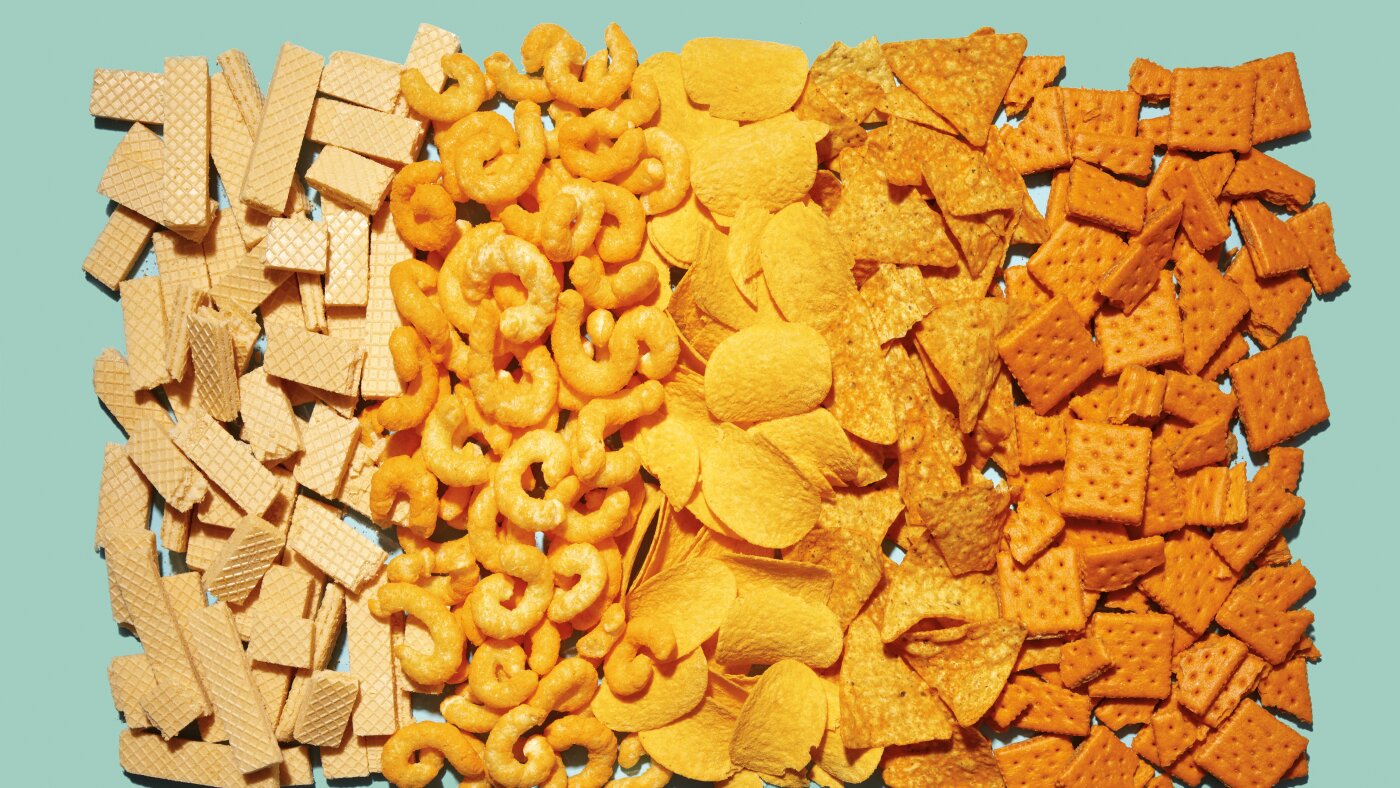


Grocery shopping shouldn’t feel like detective work — but if you’ve ever flipped a baby food pouch over and squinted at an ingredient list full of unfamiliar words you can’t pronounce, you know it often does. In fact, data from a national survey indicate that approximately 55% of the calories Americans consume are from ultraprocessed foods (UPFs), with this proportion rising to about 61.9% among younger adults.1
Food labels can hide a lot, and if you’re shopping for your little ones, some options that appear wholesome at first glance may still warrant a closer look. In a crowded marketplace, staying informed can help you discern the products that deserve a spot in your grocery carts and kitchen pantry.
Study Reveals Most Baby Foods Sold in US Grocery Stores Are Ultraprocessed
Ultraprocessed foods (UPFs) are products made with industrial additives you’d never use at home, like emulsifiers, stabilizers, modified starches, and artificial colors or flavors. These ingredients make food cheaper and longer-lasting, but they also add more refined sugar, salt, and unhealthy fats while stripping away real nutrition.
The term was derived from the NOVA classification system, which categorizes food into four groups based on their level of processing, not their nutritional content. Examples of foods under the ultraprocessed classification include instant noodles, hotdogs, margarine, mass produced bread — and, alarmingly, most baby foods sold today.
A comprehensive study published in Nutrients2 analyzed 651 infant and toddler food products from the top 10 U.S. grocery chains. The goal was to understand how processed these foods are, how common additives have become, and how the nutrient quality of UPFs compares with less-processed alternatives.3,4,5
• More than 70% of baby foods are ultraprocessed — According to the research findings, 71% of all products were loaded with additives, with more than 105 unique additives identified across brands. These included flavor enhancers (36% of products), thickeners (29%), emulsifiers (19%), and artificial colors (19%).
The study also found that smaller-packaged foods tend to be more highly processed. They noted that 94% of snack-sized baby foods were ultraprocessed, along with 86% of full-size packaged products and 73% of pouches.
• Infant foods contain more refined sugar than healthier options — On average, ultraprocessed baby foods contained 14.0 grams (g) of sugar per 100 g, compared to 7.3 g in non-UPFs. The largest gap was observed in the snack and finger-food categories, where UPFs contained 2.5 times as much sugar.
• Sodium and calorie amounts are also higher — Ultraprocessed products averaged 70 mg of sodium per 100 g, compared to 41 mg in non-UPFs. They were also more calorie-dense, largely due to added refined sugars and other unnatural ingredients that lack the fiber and micronutrients found in whole foods.
• These findings reinforce earlier research showing U.S. baby foods fall short of health standards — Prior studies from The George Institute for Global Health revealed that two-thirds of baby foods sold in U.S. grocery stores are considered unhealthy according to World Health Organization (WHO) guidelines, and 19% contain synthetic dyes, an ingredient category linked to behavioral risks in children.6
Dr. Elizabeth Dunford, the study’s lead researcher, raised concerns about how these ingredients may impact babies’ developing bodies. In a report from the George Institute, she said, “We’re seeing a growing body of evidence that certain additives may harm health. With emulsifiers, thickeners, and stabilizers altering gut function, and synthetic colors affecting behavioral outcomes in children, the high use of cosmetic additives found in U.S. baby foods is particularly concerning.”7
Dunford also emphasized that habits formed early in life can shape the way children perceive taste for decades: “Infancy is a critical time for shaping lifelong eating habits — introducing babies to foods that are overly sweet, salty, and packed with additives can set the stage for unhealthy preferences that last beyond childhood.”
These numbers paint a clear picture of what’s on the shelf. But understanding why parents continue to reach for these products, even when they suspect there might be better options, requires a closer examination of the pressures behind the purchase.
Beyond Convenience: Why Parents Choose Packaged Baby Foods
Parents of infants often face uncertainty when introducing solid foods, and a recent qualitative study published in BMC Public Health8 explored why so many turn to packaged purees and commercial baby snacks during this stage.
Researchers interviewed 62 parents across England and asked them to photograph anything that made feeding easier or harder. Their findings reveal that parents’ decisions are shaped by safety concerns, emotional reassurance, practical needs, and the influence of baby-food branding.
• Brand “ecosystems” helped build trust and loyalty — Parents described feeling supported by brands that offer free weaning packs, simple messaging, and friendly packaging. This “ecosystem” means the brand is not just selling food — it’s selling a step-by-step feeding journey that feels comforting when parents are overwhelmed.
• Parents consistently described packaged purees as a “safe” choice — Many are worried about preparing homemade food incorrectly, especially when it came to texture, allergens, or adding too much salt or sugar. Prepackaged products were perceived as trustworthy because they were marketed specifically for infants. Labels with phrases such as “no added sugar” or “organic” reassured parents that these foods are safe.
• Cost also shaped feeding choices — Although packaged foods can appear more expensive, parents described them as cost-effective because they reduced waste. If a baby refused a flavor, only a single pouch or jar was discarded, not an entire batch of homemade food. Packaged items also fit easily into busy routines, especially when families are traveling, shopping, or managing multiple children.
• Packaged snacks were also used to keep young children “busy” — Parents frequently viewed baby snacks (like puffs, rusks, and rice cakes) not as a means of nourishment, but as childcare “tools.” They used these snacks to keep babies occupied, reduce fussiness, and help them better manage daily routines.
Based on these findings, it’s clear that families need feeding advice that fits real life, not just nutrition rules. That means transparent labels, packaging that matches health guidelines, and easy-to-follow resources that reduce stress instead of adding to it.
Once you understand the pull of packaged baby foods, it’s worth stepping back to look at what ultraprocessed eating does to the body over time — not just in babies, but in all of us.
Why Ultraprocessed Foods Are So Bad for You
It’s no secret that America has an addiction to ultraprocessed food, which is why Big Food has built a culture around it. From drive-through breakfasts to freezer-aisle dinners and stadium snacks, the “American diet” is characterized by flavorful and addictive foods that come with a hefty health tradeoff. Aside from Type 2 diabetes and heart disease, UPFs can lead to other serious health problems, such as:
• Weight gain and overeating — In a controlled study published in Cell Metabolism,9,10 researchers housed 20 healthy adults in a supervised clinical facility for four weeks, controlling everything they ate. Participants ate either an ultraprocessed diet or a minimally processed diet for two weeks each. The meals were matched for calories, sugar, fat, carbohydrates, and fiber, and participants could eat as much as they wanted.
Those on the ultraprocessed diet consumed approximately 500 more calories per day. They also ate faster and gained an average of 2 pounds in two weeks.
• Early colorectal tumors — A large study published in JAMA Oncology11 followed more than 29,000 women who underwent colonoscopy before age 50.
They found that those who consumed the highest amounts of UPFs (around 10 servings per day) had a 45% higher risk of developing conventional adenomas — a type of precancerous polyp in the colon — compared to those eating about three servings daily.
• Compromised gut health — A recent review published in Nutrients12 examined how UPFs and common additives affect the gut microbiome, the trillions of bacteria that help regulate digestion, immunity, and inflammation. The researchers found that people who eat more UPFs tend to have lower microbial diversity, meaning fewer species of beneficial bacteria, which weakens the gut’s ability to fight inflammation and digest food properly.
In one study cited in the review, individuals who consumed more than five servings of UPFs per day had higher levels of bacteria associated with metabolic problems and lower levels of beneficial bacteria — including Akkermansia muciniphila, a species known for helping maintain the gut’s protective lining.
• Possible depression and cognitive decline — What you eat can also shape your mood and memory. A 2023 meta-analysis published in Nutrients,13 which reviewed 26 observational studies examining ultraprocessed food intake and mental health, confirmed this link. Researchers found that people who consumed higher amounts of UPFs had a greater risk of depression.
The researchers also cited a separate study that has linked Western-style diets high in UPFs to brain changes associated with memory decline. Some studies show these diets are connected to increased beta-amyloid buildup, a protein associated with Alzheimer’s disease.
UPFs can also affect DNA methylation — a process that turns genes on or off — and may silence protective genes while activating those that contribute to cellular problems long before symptoms show up. To learn more on this topic, read “High Ultraprocessed Food Intake Linked to Lower DNA Methylation.”
How to Reduce UPFs in Your Baby’s Diet
The updated U.S. dietary guidelines now include recommendations to limit highly processed foods for the first time, along with advice to reduce added sugars and refined carbohydrates. However, baby food packaging often hides the processing level behind bright colors and reassuring marketing.
“Clearer labeling and specific regulation for baby foods are urgently needed to help parents make more informed choices,” Dunford said. Until such changes occur, she advises families to read ingredient lists carefully: “If you see an ingredient you don’t recognize, then it’s probably best to put it back on the shelf.”14
Cutting back on UPFs doesn’t mean giving up flavor, convenience, or family favorites. The goal isn’t strict rules, it’s small upgrades that leave everyone satisfied and steady. In an article from BBC, children’s dietitian Angharad Banner talks through processed foods in a realistic way for busy parents15 — I’ve put together a plan you can follow based on her advice, starting at the high chair and moving through the pantry.
• Start with simple foods for babies — For babies, simple foods go a long way. Mashed banana, plain whole-milk yogurt, and soft-cooked vegetables are minimally processed and easy to prepare. If you pick up a packaged baby food or snack, use a quick rule: If the ingredient list includes things you wouldn’t use in your own kitchen, put it back.16
• Breastmilk remains the gold standard for infant nutrition — Breastmilk is widely considered the ideal first food for infants, as it contains a unique mix of fats, protein, vitamins, and protective compounds that support growth, brain development, and immunity. That’s why it’s often called “liquid gold.” Even after you start solids, keeping breastmilk central means less of your baby’s diet needs to come from packaged products.
• Swap out UPFs for healthier options — You do not need to change everything at once. Choose one or two swaps that feel realistic for your family and try them for a week. Small changes that you can repeat are better than a big change you can’t keep up.17
| Instead of this | Swap for this |
|---|---|
| Jar of pasta sauce | Homemade sauce using fresh tomatoes, onion, garlic, and dried herbs |
| Cereal bars | Homemade oat bars |
| Sweetened breakfast cereals | Swap for rice porridge or oatmeal |
| Flavored yogurts | Use plain Greek-style or natural yogurt and add fresh fruit |
| Canned soups | Make simple homemade soups when you can; they can be quick and easy to prepare |
• Make nutritious foods more visible — Set up your kitchen so the better choices are the first things you and your child see. Keep fruit in a bowl on the counter, store washed and cut-up vegetables in clear containers in the fridge, and place cookies, candy, and chips on higher shelves or at the back of a cupboard (or better yet, get rid of them completely). When healthier foods are easier to see and reach, they are more likely to be the default choice on busy days.
• Going cold turkey on treats is not the way — Completely banning treats often backfires and can make children want them even more. Instead, choose one or two planned treat times each week. During those times, enjoy the food slowly and without guilt. When treats are planned, they feel normal, not “forbidden,” and this can reduce overeating and constant requests.
• Build your own support system — It is much easier to change food habits when the adults around your child are working in the same direction. Talk with your partner, grandparents, and anyone else who helps with meals or snacks about what you are trying to do.
Agree on a few simple steps, such as keeping soda for special occasions or always serving a piece of fruit with snacks. If you need more help, a pediatric dietitian or registered dietitian nutritionist can give you a plan that fits your child’s age, health, and your family’s routine.
Frequently Asked Questions (FAQs) About Ultraprocessed Foods in Baby Food
Q: What makes a baby food “ultraprocessed”?
A: A baby or toddler food is usually ultraprocessed if it’s made with refined ingredients and additives rather than simple whole foods. If the label lists gums, emulsifiers, “flavor,” colors, or modified starches, it’s likely ultraprocessed.
Q: What is the NOVA system, and why do researchers use it?
A: NOVA is a system that groups foods by how processed they are. It ranges from minimally processed foods (like fruit, eggs, and plain yogurt) to ultraprocessed foods (like puffs, sweetened snacks, many pouches, and packaged toddler meals).
Q: What did the Nutrients baby food study actually find?
A: Researchers analyzed 651 infant and toddler food products sold in major U.S. grocery chains and found 71% were ultraprocessed. Ultraprocessed options also tend to have more sugar and sodium than less-processed products.
Q: What are the health downsides of eating a lot of ultraprocessed foods?
A: Studies link high UPF intake to overeating and weight gain, disrupted gut bacteria, higher risk of early colorectal tumors, and increased depression risk — especially when these foods become everyday staples.
Q: What’s the simplest way to cut down on ultraprocessed foods for my baby?
A: You can reduce UPFs by offering simple foods first (like mashed banana and plain yogurt), breastfeeding as long as possible, choosing products with short ingredient lists, and rearranging your pantry to limit your child’s access to these unhealthy foods.